The Temperature Check, Step by Step
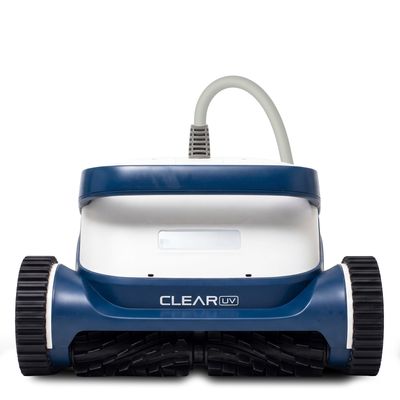
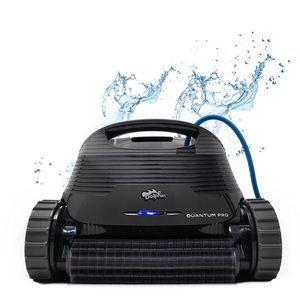
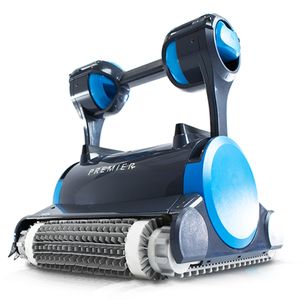
Do this before anything else. Note your pool's set temperature and its highest reading, on a hot day or after a heater cycle. Then open the manual for the robot you are considering and find the maximum water temperature it lists. If your pool sits under that figure with margin, carry on. If it is at or over it, that robot is wrong for this pool, whatever else it offers.
We do not print a number because the manuals are the authority and can differ between models. If you cannot find the figure, chat with a pool expert and we will look it up with you.
What a Robot Misses Around Ramps, Rails and Lifts
A therapy pool is full of things a backyard pool lacks: a ramp with double handrails, a chair-lift base, grab bars, a bench. A robot cleans open floor and wall well and works around fixtures imperfectly. Expect a few inches left around each rail post, along the back of a bench and in the corners where a ramp meets the wall. Keep a hand brush for those spots.
Keep expectations straight on water care, too. The robot removes debris and loosens film. Sanitizer, testing and the turnover your code requires are separate work, and warm, heavily used water needs them watched closely.
Using a Robot in a Therapy Pool
- Run it after the last session of the day, never with a patient or swimmer in the water, and lift it out before the first session.
- Rinse the filter after every run. Lint and hair mat quickly on fine media, and a matted filter cleans poorly the next day.
- Raise the lift seat and clear floats, weights and resistance gear from the pool before starting, so the cable cannot wrap around them.
- Watch the first two or three cycles to see how the robot handles the ramp and rail posts, then decide where hand brushing is needed.