Where the Robot Fits in an Algae Treatment
When a pool has already turned, the order of work matters, and the robot comes last. If the floor ends up carpeted in dead algae, vacuuming to waste first will save you several filter rinses.
- Test and balance the water, then brush every surface by hand.
- Shock according to the product label and run the pump. Keep the robot out of the pool while chlorine is at shock level.
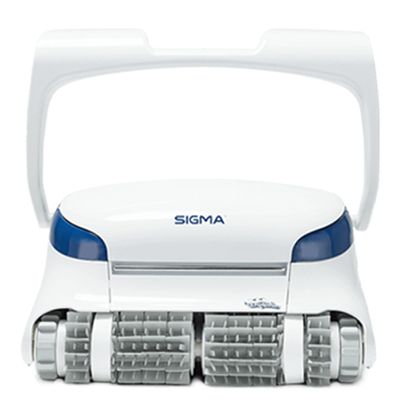
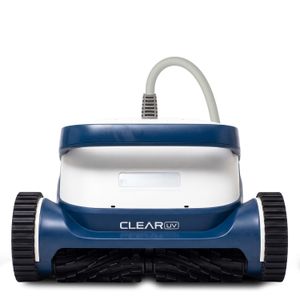
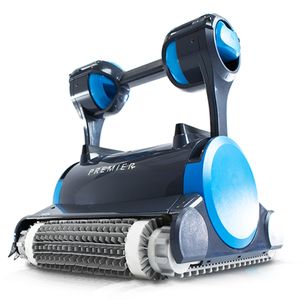
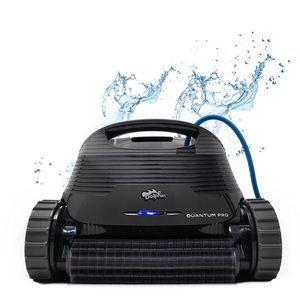
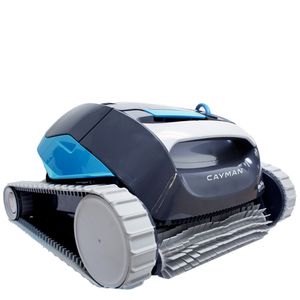
- Once chlorine is back in the normal range, let the dead algae settle and send the robot in with its fine filters fitted.
- Rinse the filter as it loads, which will be quickly, and repeat until the floor stays clean.
- Afterward, wash the filters, basket and brushes thoroughly so spores do not ride back in on the next cycle.
What No Pool Robot Will Do
No robot here kills algae, clears green water or replaces sanitizer, balanced water and circulation. If chlorine is low or the pH is off, algae will grow on a surface that was scrubbed yesterday. A robot also cannot reach everything. Top steps, shallow ledges and the back of a ladder still need a hand brush.
Black algae is its own case. It roots into plaster and needs hard, targeted brushing and treatment that no robot's brushes replace. What a robot contributes is the unglamorous middle: steady scrubbing and fine filtration, so that when your chemistry is right, the surfaces and the water stay clear.
Habits That Give Algae Less to Work With
- In hot spells, move to a daily cycle. Warm water and heavy use burn through chlorine fastest, and that is when film forms.
- Rinse the filter at least weekly. A clogged filter cuts the water flow that good pickup depends on.
- Once a week, hand brush what the robot cannot reach: top steps, behind ladders, around returns and lights.
- Take the robot out before adding shock or algaecide, and put it back only when chlorine has returned to the normal range.