Active, Scrubbing, HyperBrush: Reading the Brush Language
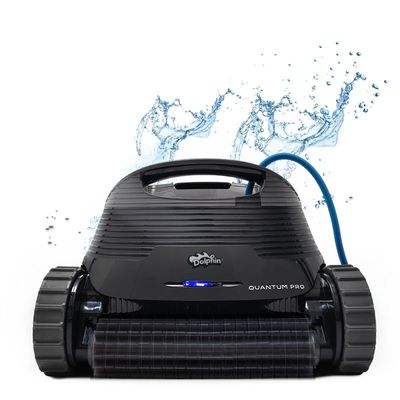
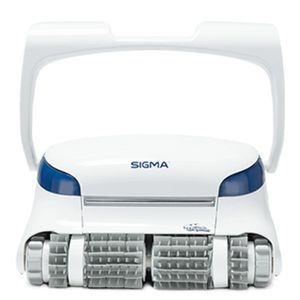
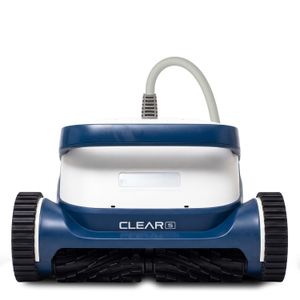
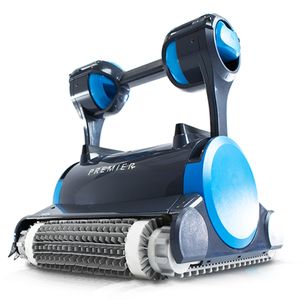
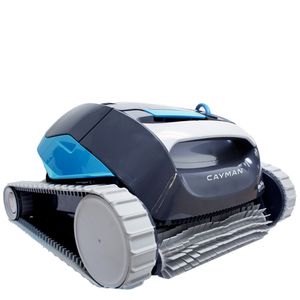
Brush names are chosen by marketing departments, so it helps to pin down what each one claims. HyperBrush is Dolphin's name for a brush that spins at twice the speed of standard brushes. Scrubbing brushes is how Dolphin describes the Premier's pair and the Sigma's four, with no speed given. Clear calls its front and rear brushes active scrubbing brushes, again without a figure. The Clear UV has the same brushes as the Clear S, with a built-in UV-C light controlled from the Clear app, at a higher price. Side by side:
Where Active Brushing Earns Its Keep
Three places. The first is algae film: the thin, slippery layer that forms on walls before you can see any green. It wipes off easily when young, and a fast brush passing regularly gives it little chance to mature. The second is textured finishes. Pebble and aged plaster hold fine dirt in their low spots, and a brush that slides across the surface, not just rolls with it, flicks that dirt out where the intake can take it. The third is the water's edge, where oils and sunscreen bake on in the sun. Scrubbed regularly, that band has less chance to set hard.
What Scrubbing Still Leaves to You
An active brush is a maintenance tool, not a treatment. If algae has bloomed, the pool needs sanitizer and hand brushing, and the robot stays out until the chemistry is back in range. Top steps, tight inside corners and the space behind a ladder see little brush contact from any robot, so give them a minute with a pool brush each week. And remember the filter: a fast brush that kicks fine film into the water needs fine media behind it to finish the job.
Tips for Better Scrubbing Results
- Fit the finest media your robot includes when the target is film, not leaves. Scrubbed-off film is very fine, and a coarse panel lets it straight back out.
- On a Clear S, add a Waterline only run between full cycles in swimming season, when sunscreen and oils build fastest.
- Keep the water level steady. A robot scrubs the tile line where it finds the surface, so a level that wanders leaves a stripe the brush never touches.