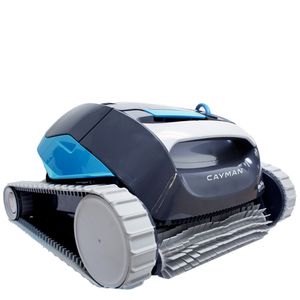
Three Decisions to Minute Before You Order
In an association, a robot purchase fails for organizational reasons far more often than mechanical ones. Settle these at the meeting and write them down. A timer robot is made to stay in the water between cycles, but only while the pool is closed to members; once the gate opens, it comes out.
- Who runs it. Name a role, not a person: the pool committee chair, the on-site manager or the service company. That role rinses the filter at least weekly, more often in leaf season.
- Where it lives. A locked pump room or closet near an outlet. Neither the robot nor its power supply stays on the deck during open hours.
- When it cleans. After the gate locks. A 3-hour cycle started at 10 p.m. is done by 1 a.m. Post the schedule in the pump room so the service company knows it.
What the Service Contract Still Covers
A robot changes what the association pays a service company to do, not whether it needs one. Chemistry, sanitizer, equipment checks and any records your jurisdiction expects stay with a qualified person. The robot's job is narrower and more visible: debris off the floor, scrubbed walls and, on four of these picks, a scrubbed waterline.
It will not skim floating leaves, reach the top steps on most models, or replace brushing during an algae treatment. Some boards use a robot to drop from two service visits a week to one in the shoulder months. Ask your provider to quote that before counting on a saving.
Getting an Association Robot Off to a Good Start
- Have warranty terms for association use confirmed in writing before the vote, and file the answer with the invoice.
- Measure the pool's longest straight run and bring the number to the meeting. Over 50 ft, the conversation changes to commercial equipment.
- Tape a one-page instruction sheet inside the storage door, with a contact name. Next year's volunteer will not have attended this year's meeting.
- Lift the robot out before shock treatments and when the pool closes for winter, then store it dry and out of direct sun.