Is Your Pool One of the Small Exceptions?
Not every pool the public swims in is a 25-yard municipal tank. A campground pool, a small-town park pool or a fitness-center pool may be no bigger than a large backyard one. For those, a residential robot can be a sensible way to keep the floor and walls clean between professional visits, if three things are true. If any one fails, treat the pool as commercial.
- The longest straight run is 50 ft or less. Measure the wall, not the diagonal.
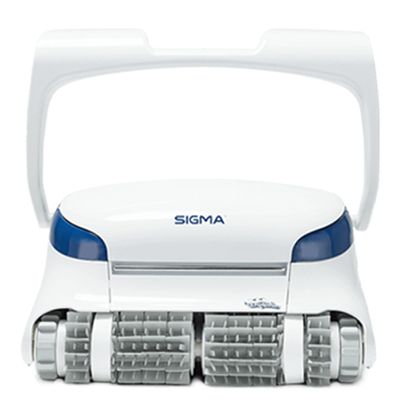
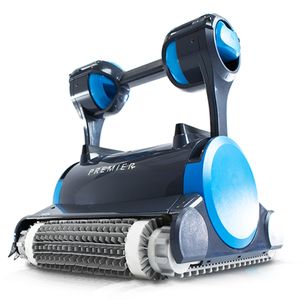
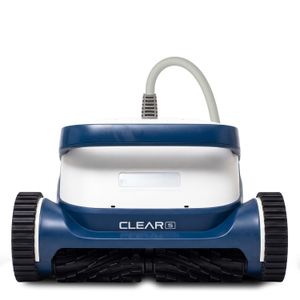
- The depths suit the robot. The Clear S publishes 2.5 to 16.4 ft; for the Dolphins, check the manual for the minimum.
- Whoever signs for the purchase accepts that the warranty is a residential one and has asked how it treats public use.
Questions to Put to a Commercial Robot Supplier
If the pool is over 50 ft, these questions separate a robot that will last from one that will not. We are happy to talk them through with you.
- How long is the cable, and does it reach every corner from where the power supply has to sit?
- How long is a full cycle for a pool of our dimensions, and is there a shorter one for a quick turn?
- How much does the filter hold, how fine is it, and how long does it take to clean?
- What does the robot weigh, and is a caddy included?
- Is the warranty written for commercial use, how long does it run, and who does the repairs?
Ground Rules for Any Robot in a Public Pool
Whatever robot ends up in the water, the same rules hold. It runs only when the pool is closed and empty of swimmers. It comes out, cable and all, before the doors open, and it is stored locked with its power supply. It comes out before shock treatments and chemical additions.
It also changes nothing about the operator's obligations. Circulation, sanitizer levels, testing and record keeping are set by your local code, so ask your health department whether it has requirements for cleaning equipment on the deck. A robot clears what has settled and scrubs the surfaces. Clear water still comes from filtration and chemistry working properly; the robot keeps debris from adding to their load.
If You Run One in a Small Public-Access Pool
- Log each cycle and each filter rinse in the pool's daily record, so a missed night is noticed the next morning and not the next week.
- Start the cycle only after the closing walk-through confirms the water is empty, and hang a sign at the gate while the robot is in.
- Rinse the filters every morning in season. Under public use they load far faster than they would in a home pool.
- Coil the cable loosely after each use and keep the power supply on a dry surface, set back from the water by the distance in its manual.