Which 20,000-Gallon Pools Need Which Rating
Volume alone cannot tell you which robots qualify, because depth changes everything. A long, shallow pool and a short, deep one can hold the same water. Find your pool in the table, then confirm with a tape measure along the longest straight run.
If your pool is freeform, measure its longest straight line across the water, not the nominal size on the plans. When that line is within a foot or two of 33 ft, we would still choose a 50 ft robot for an in-ground pool.
Three Ways To Put 20,000 Gallons on a Schedule
Debris does the most damage to clarity when it sits. Leaves stain, fine dust gets stirred back into the water by swimmers, and all of it uses up sanitizer. A schedule makes removal routine, and at this size there are three ways to set one.
Robots on a schedule are made to stay in the water between cycles. Still lift yours out at least weekly to rinse the filter, remove it before shocking, and store it dry and shaded if the pool will sit unused for a long stretch.
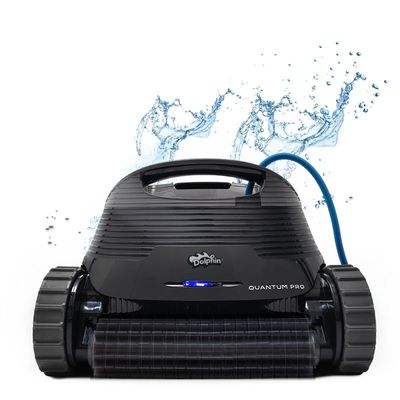
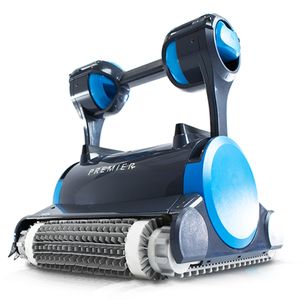
- Power-supply timer: the Premier and Quantum run every day, every 2 days or every 3 days with no phone or Wi-Fi.
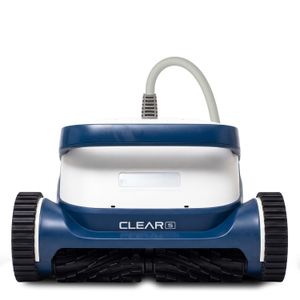
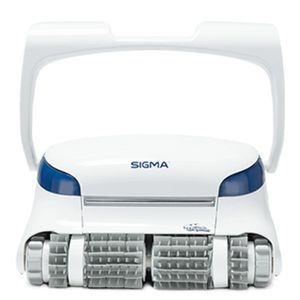
- Phone schedule: the Sigma and Clear S hold weekly schedules in their apps, and the Quantum's app can schedule it too.
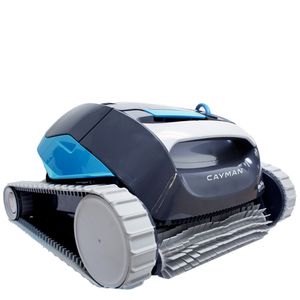
- Daily only: the Cayman's timer runs every day, which suits heavy-use pools.
Setting Up on a 36 ft Pool
- Put the power supply near the midpoint of a long side. From there a 55 ft cable reaches either end of a 36 ft pool with slack left over.
- Use the leaf bag or standard panels for the first clean of the season, then switch to NanoFilters once the big debris is gone.
- Schedule cycles for early morning, when the water is still and the day's swimmers have not arrived.