The Waterline Film: What It Is and Who Should Clean It
The band at the water's edge is not dirt in the usual sense. It is a mix of sunscreen, body oils, cosmetics and fine airborne dust that floats, drifts to the edge and dries onto tile or vinyl as the water level moves. Left for a season it hardens, especially where calcium is high, and then it takes real effort to remove.
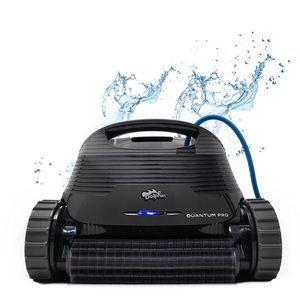
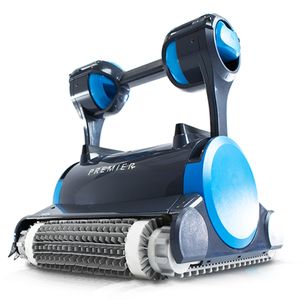
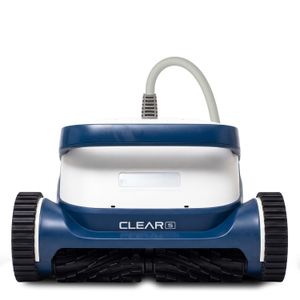
A waterline robot scrubs that band every cycle, before it sets. That is the argument for picks two, four and five. The argument against is simple: a soft brush or sponge and five minutes every week or two does the same job on a pool this size. Just be honest about whether you will actually do it.
If Your 12,000 Gallons Are Above Ground
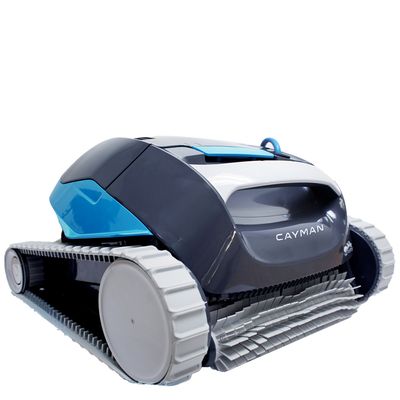
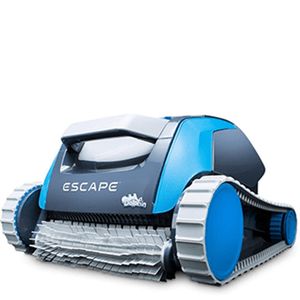
Above-ground owners have a shorter list. The 50 ft models on this page are built for in-ground pools, which leaves the Cayman and the Escape. Both are rated for above-ground pools, both clean floor and walls, and both are light enough to lift over a top rail, at 14.6 lb and 14.2 lb.
Choose between them on convenience. One has a 50 ft cable and a daily timer built into the power supply. The other has a 40 ft cable, a shorter 1.5-hour cycle and the lower price, with a timer available as an optional power supply. Neither cleans the liner at the water's edge, so keep a soft sponge handy.
Small Habits That Keep the Water Clear
- Empty the basket while it is still wet. Fine debris rinses off the panels in seconds when damp and bakes on if left to dry in the sun.
- If the tile band is already hardened, clean it by hand once before a waterline robot's first run. Robots are better at keeping a clean line clean than at reversing a season of buildup.
- Take the robot out before shocking the pool, and put it back once chlorine has returned to its normal range.