Match Your Rectangle to a Robot
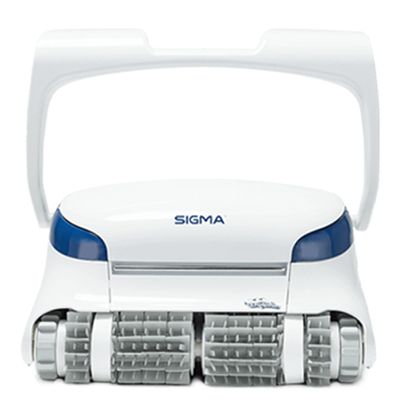
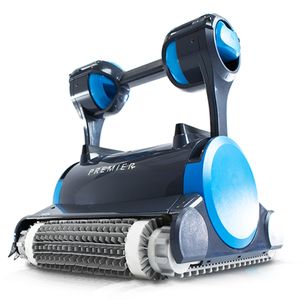
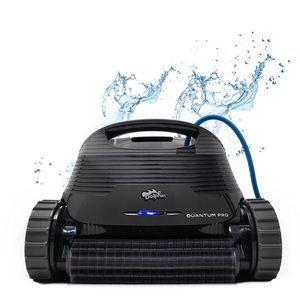
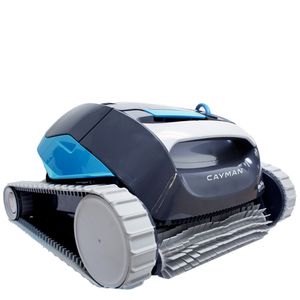
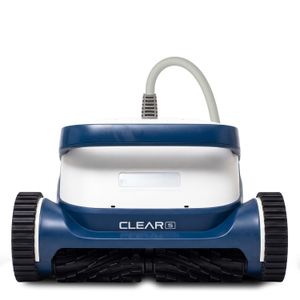
Builders sell rectangles by width and length, and the second number is the one a robot cares about. The one to watch is 16 x 32: it sits a foot inside a 33 ft rating, and some pools sold at that size measure a little longer wall to wall, so run a tape along the long side before you order. For an above-ground rectangle the Escape is also worth a look. It is rated to 33 ft and made for that kind of pool, though its cable is 40 ft and it has no timer as standard.
Where the Power Supply Goes on a Long Rectangle
Pool rating and cable reach are two different checks. The cable has to cover the setback between the power supply and the water, the run to the farthest corner and the drop to the floor. The setback comes from the manual; roughly 12 ft is a typical example, but use the figure in your own.
On a 20 x 40 pool, a power supply at one end asks the cable to span the full 40 ft plus the setback and the depth, which can exceed a 55 ft cable. Move it to the middle of a long wall and the farthest corner is under 30 ft away.
Corners, Steps and What Still Needs a Brush
A robot reaches into a square corner, but the last inch where two walls and the floor meet is tight for any spinning brush, so a little sediment can stay tucked in after a cycle. A weekly pass with a hand brush pushes it out for the next run.
Most robots also skip the top step and shallow benches. A robot does nothing for floating debris or water chemistry either, so the skimmer and your sanitizer still have their jobs.
Getting the Most From a Robot in a Rectangle
- Measure the long wall inside the pool and buy by that number, not the size on the builder's paperwork.
- Set the power supply near the middle of a long wall so the cable reaches both ends evenly.
- Fit fine or NanoFilter media when the corners show gray silt, and go back to standard media for leaves.
- Brush the four corners toward the floor once a week so the next cycle collects what was wedged there.