What Leaves Do to the Water While They Sit
A floating leaf is a nuisance. A sunk leaf is a chemistry problem. Within days it starts to release tannins, the same brown compounds that color tea, and those tint the water and mark light plaster, fiberglass and vinyl. The decaying leaf also consumes free chlorine and adds nutrients that algae feed on, which is why a pool can turn after a week of neglected leaf fall. Removing leaves daily, while they are intact, costs far less than the shock, stain treatment and filter cleaning that follow when you wait.
Skim First, Then Send the Robot
A robot cleans below the surface. Leaves still floating are your skimmer's job, or a hand net's, and every leaf caught on top is one that never reaches the floor. In the fall, net the surface and empty the skimmer basket before the robot's cycle, not after, then let the robot take what has already sunk.
Watch the first few cycles of the season. If the bag or basket comes out packed solid, it filled before the cycle ended and the last part of the run collected nothing. Empty it sooner next time, or add a second cycle.
Which Filter To Use, and When
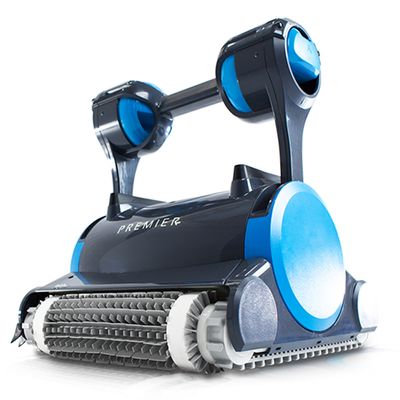
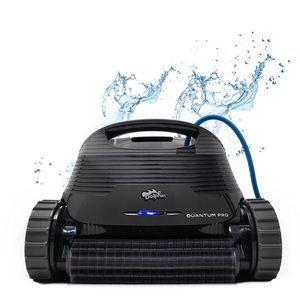
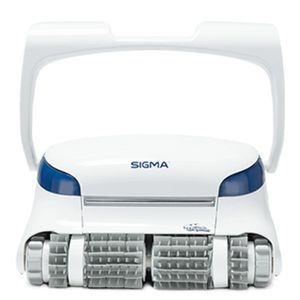
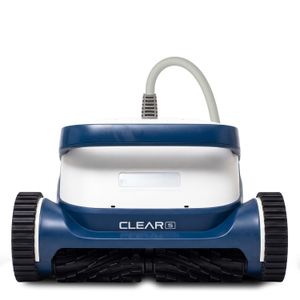
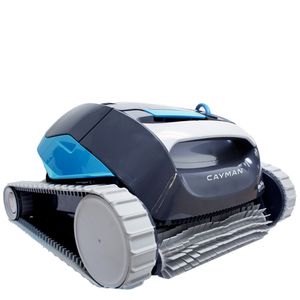
The filter you leave in the robot matters as much as the robot. Coarser media lets water keep moving while leaves pile up. Ultra-fine media gives you polished water but blinds quickly under a load of leaves. Every pick here except the Cayman includes both kinds in the box. Switch to the coarser option when the first leaves fall, and go back to the fine one when the trees are bare and what is left is dust and broken leaf fragments. Here is how that works on each robot.
Leaf-Season Habits That Keep Water Clear
- Set the timer or app schedule to run every day from the first leaf drop until the branches are bare.
- Hose the bag or basket from the outside in, so leaf fragments wash back out the way they went in.
- Trim branches that overhang the water. No filter beats a leaf that never lands.
- Lift the robot out before you shock the pool after a heavy leaf week, and return it once chlorine is back in its normal range.