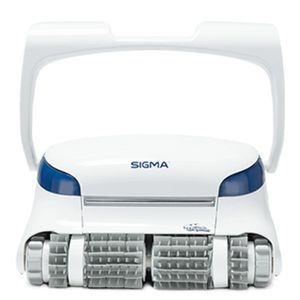
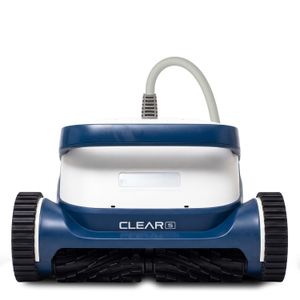
What Has To Come Out by Hand
No robot is a wood chipper. Each one draws debris through an intake on its underside, and anything wider than that opening simply gets pushed along the floor. Before a cycle, look for the items below and remove them with a net or by hand.
- Branches and long sticks: they bridge the intake and get shoved around instead of collected.
- Large palm fronds and sheets of bark: too wide to enter, and they smother the debris underneath.
- Rocks, gravel, coins and hardware: hard objects can jam an impeller. Pick them up before the robot finds them.
Match the Media to the Mess
The most common mistake we hear about is running ultra-fine filters into a floor covered with blossoms. The filters seal over in minutes, the robot loses flow, and the owner concludes it cannot handle large debris. It can. It had the wrong media in.
Keep two sets within reach of the pool. When the trees are flowering, seeding or shedding, use the leaf bag, standard panels, standard cartridges or coarse panels, depending on your robot. When the water just looks dusty, go back to the fine set. It is a small job on any of them.
After a Storm: The Order of Work
Storms deliver large debris all at once, along with dirt and often a drop in clarity. Work from big to small. First, by hand and net: branches, fronds and anything floating. Second, empty the skimmer and pump baskets so circulation recovers. Third, the robot with coarse media, checked and emptied partway if the load is heavy. Last, a second cycle with fine filters for the grit that arrived with everything else. Taking the steps out of order just moves the mess from one basket to another.
Practical Tips for Bulky Debris
- Walk the pool edge before each cycle and pull out sticks and anything hard. It takes a minute and prevents most jams.
- Empty the robot while the load is still wet. Dried pods and petals cling to the panels and are harder to rinse off.
- Keep mulch an inch or two below the top of the bed edging, so heavy rain does not float bark into the pool.