Jets, Heat and Timing
Three settings decide whether a robot can work in a spool. Jets and the air blower go off, and stay off until the robot is out: moving, aerated water shoves the machine and its cable around and keeps debris from settling where it can be picked up. Any spillway or water feature goes off too.
Then there is heat. Robots are built for pool water, and each manual gives the temperature range for that model. If you heat your spool to hot-tub temperatures for an evening, run the robot before you turn the heat up or after the water has come back down, and check your normal set point against the manual. We will not quote a number here; use the one printed for your robot.
What a Robot Reaches in a Spool, and What It Leaves
Set your expectations surface by surface, and the purchase will not disappoint you.
- Footwell floor: every pick covers it, provided there is room to turn.
- Vertical faces below the seats and the outer walls: all three climb them.
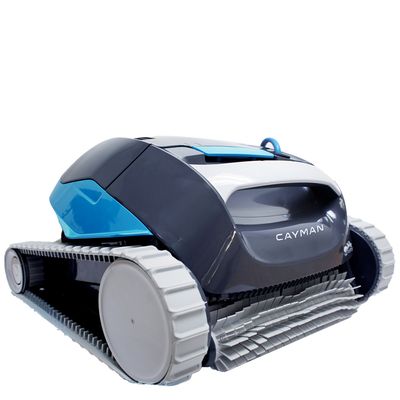
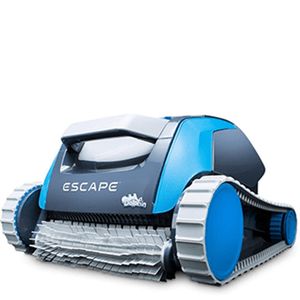
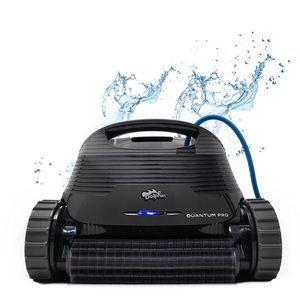
- Lower steps: within the Quantum's published coverage of stairs. Bench seats: the Quantum is the nearest match, not a published fit. With the Cayman or Escape, sweep both into the footwell before the cycle.
- Top step and very shallow seats: a hand brush for every robot, since the machine must stay submerged.
- Waterline band: the Quantum only. Otherwise a sponge, which takes a minute at this size.
- Jet nozzles and recessed fittings: by hand.
Is a Robot Worth It at This Size?
For some owners, no, and we would rather say so. A spool can be brushed and vacuumed by hand in minutes, and if you enjoy the ritual you do not need a machine. A robot earns its place when the spool gets heavy use, when you want fine filtration between soaks, or when you simply will not do the brushing often enough. That is why the two lower-priced picks lead this page. If you are unsure whether your footwell is big enough, our 30-day trial with no restocking fee lets you find out in your own water, and certified open-box robots can bring the cost down further.
Running a Robot in a Spool
- Measure the footwell at its narrowest point before ordering. That open floor, not the overall length, decides whether a robot can turn.
- Switch off jets, blower and any spillway, and give the bubbles a minute to clear before lowering the robot in.
- Sweep seats and steps toward the footwell first, so loose debris ends up where the robot will collect it.
- Pay out just enough cable for the footwell, with a little slack, and leave the remainder coiled on the deck.
- Lift the robot out, rinse the filter and set it in the shade before anyone gets in or the heat goes up.